
 영어
영어 中文简体
中文简体 Русский
 Español
 Português
 Türkçe
 العربية
 Deutsch
 Polski
 Italiano
 Français
 한국어
한국어 ไทย
ไทย Tiếng Việt
 日本語
日本語
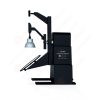
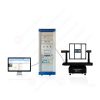
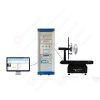

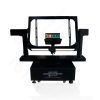














굽힘 장치
사용자 설명서
적용 할 수있는 LISUN 모델: LS-B53
1. 장비에 대한 기본 이해
1.1 Scope of Equipment Application
This device is designed for specialized testing of the mechanical properties of non-metallic cable conduits.
It is primarily used in electrical appliance quality inspection laboratories, the quality control departments of cable and conduit manufacturers, third-party testing organizations, and for import and export product inspections.
1.2 적용 가능한 표준
In strict accordance with GB/T 20041.22-2009″Conduit Systems for Cable Management—Part 22: Special Requirements for Flexible Conduit Systems,” specifically in accordance with Clause 10.4 and Figure 101 (IEC 61386-22:2021, Clause 10.4, Figure 101), and have been tested accordingly.
1.3 전자 문서 다운로드
전자 사용자 설명서, 교정 인증서, 보증서 및 기타 문서의 다운로드 링크는 제품 발송 시 이메일로 이미 보내드렸습니다. 가능한 한 빨리 다운로드해 주시기 바랍니다. 만약 이메일을 받지 못하셨다면, 저희에게 연락하여 다운로드 링크를 다시 요청해 주십시오.
2. 사용상의 주의
2.1 운영 환경 안전 요구사항
No corrosive gases or dust particles; place the device on a level, stable workbench with at least 30 cm of clearance on all sides, and keep it away from sources of vibration.
2.2 Safety Guidelines for Operational Procedures
During testing, do not reach into the test area with your hands or any other part of your body to prevent crush injuries.
Test specimens must be securely clamped to prevent them from falling out or ejecting during loading, which could pose a safety hazard.
3. 테스트 설정 소개
3.1 표준 다이어그램
그림 3-1을 참조하십시오(IEC 표준에서 발췌).
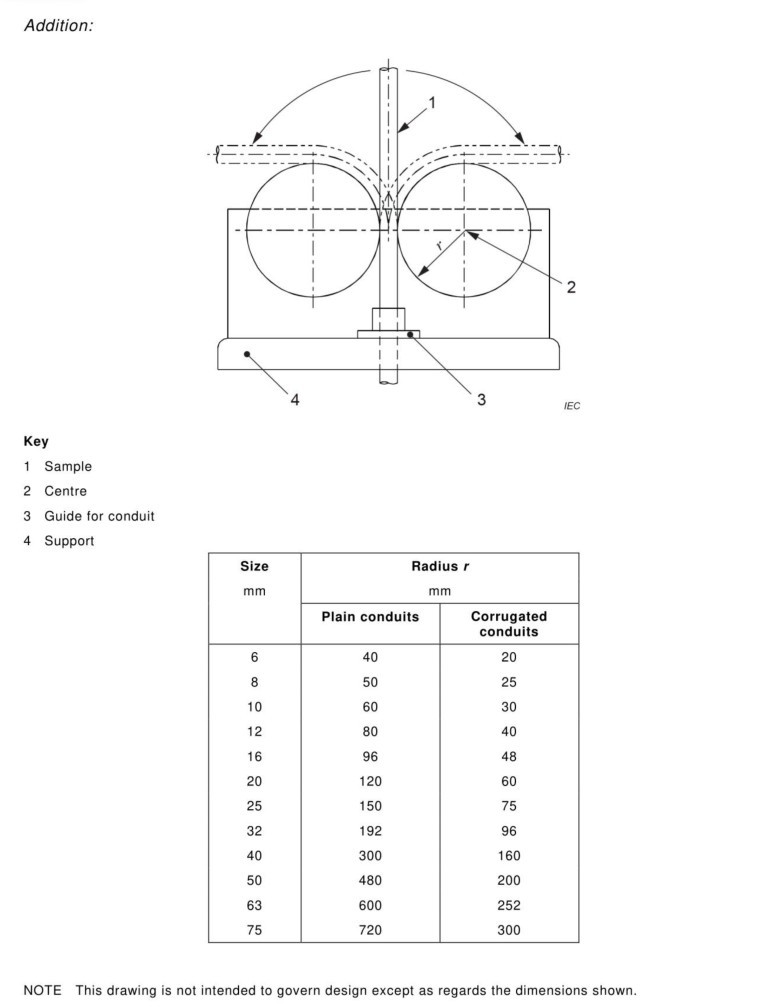
그림 3-1
3.2개의 제품 사진
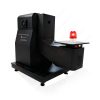
그림 3-2를 참조하세요.
| 번호 | 주의 사항 |
| ① | Tube Guides, Customizable to Suit Your Needs |
| ② | Bend radius: can be customized as needed |
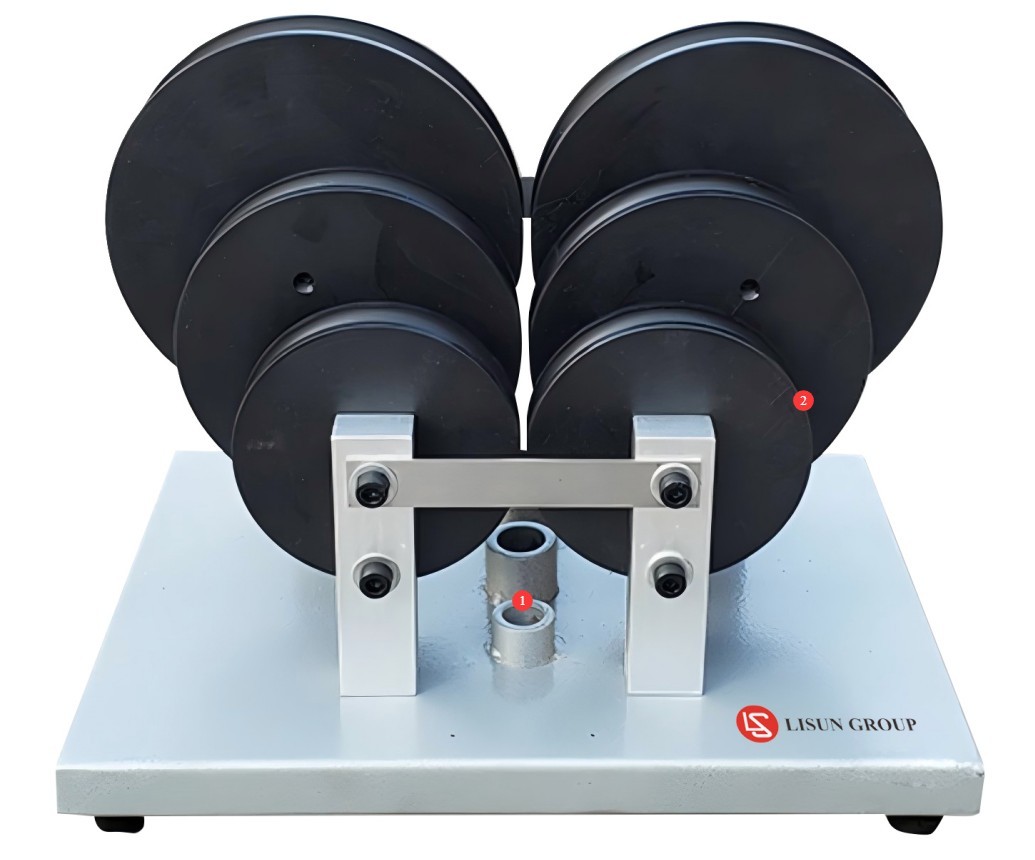
그림 3-2
4. Catheter Bending Test
4.1 샘플 전처리
The test shall be conducted on six specimens of the tubing. The length of each specimen shall be at least: a) for straight tubing, 30 times the nominal outside diameter; b) for corrugated tubing, 12 times the nominal outside diameter.
Three test specimens shall be tested at ambient temperature; the remaining three shall be tested at the minimum temperatures for transport, use, and installation specified in the table below (with a tolerance of ±2 °C).
| Catheter Classification | Transport, installation, and operating temperatures must not be lower than (unit: °C) |
| 1 | +5 |
| 2 | -5 |
| 3 | -15 |
| 4 | -25 |
| 5 | -45 |
4.2 테스트 실행
For tests conducted at ambient temperature, the specimen shall be clamped vertically in the bending test apparatus. Slowly bend the specimen to the left by hand to (90±5)°, then return it to the vertical position; next, bend the specimen to the right to (90±5)°, then return it to the vertical position. Repeat this procedure three times, but do not return the specimen to the vertical position after the third repetition. The specimen shall be held in the bent position for 5 min; then, the bent specimen shall be positioned for testing as follows: the straight portion shall form an angle of (45±5)° with the vertical, with one end of the specimen facing upward and the other facing downward.
For tests conducted at the minimum temperature specified for transportation, use, and installation, the test specimen shall be clamped in the flexural testing apparatus and preconditioned for 2 hours prior to testing in an environment at the minimum temperature specified above, with a temperature deviation of ±2 °C.
4.3 시험 결과 평가
After testing, the specimen shall not exhibit any cracks visible to the naked eye or with corrected vision without additional magnification, and it shall allow the appropriate gauge shown in Figure 4-1 (taken from the IEC standard) to pass through the tube under its own weight and without any initial velocity.
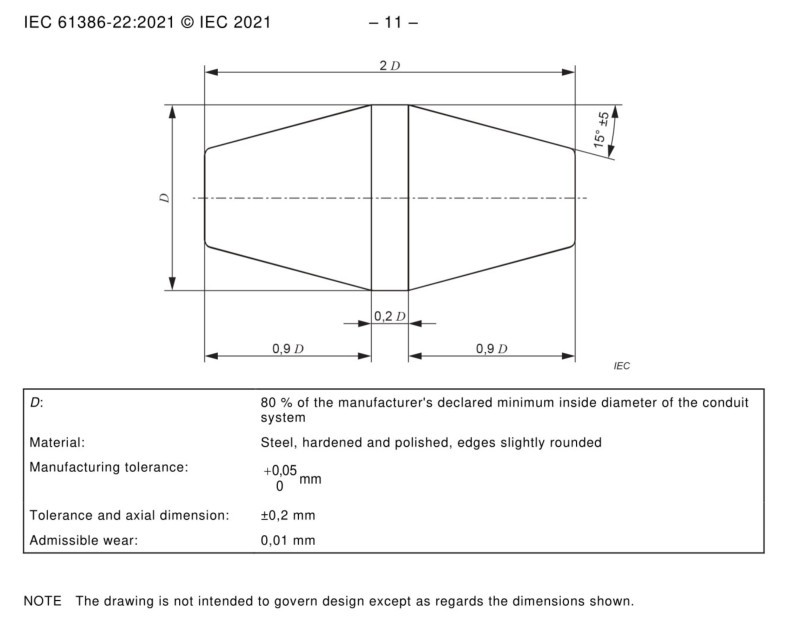
그림 4-1
5. 테스트 후 절차
5.1 Resetting the Device
Outside of testing hours, do not install test specimens on the testing equipment to avoid applying force when testing is not in progress.
5.2 샘플 준비
시험에 합격한 샘플과 불합격한 샘플을 분리하고, 명확하게 표시하여 섞이지 않도록 하십시오.
5.3 시험장 청소 및 정리
Wipe dust and debris from the surface of the device with a lint-free, soft cloth. Do not rinse the equipment directly with water.
Organize the tools on the workbench, arrange them neatly, and clean up any debris left over from the experiment.
6. 정기 유지보수 및 관리
6.1 정기 점검
Apply rust-preventive oil to the test equipment every three months to prevent rust.
6.2 장기 보관 및 유지 관리
After routine maintenance is complete, cover the entire machine with a dust cover and store it in a dry, well-ventilated warehouse.
6.3 교정 주기 요구사항
기기의 정확성과 신뢰성을 보장하기 위해, 공인된 제3자 계측 연구소에 정기적으로 보내 교정을 받는 것이 좋습니다. 권장 교정 주기는 12개월입니다. 사용자는 사용 빈도, 환경 조건 및 품질 시스템 요구 사항을 고려하여 구체적인 교정 주기를 결정할 수 있습니다.