
 영어
영어 中文简体
中文简体 Русский
 Español
 Português
 Türkçe
 العربية
 Deutsch
 Polski
 Italiano
 Français
 한국어
한국어 ไทย
ไทย Tiếng Việt
 日本語
日本語
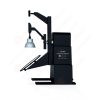

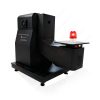











조종기 330N 충돌 테스트 장치
사용자 설명서
적용 할 수있는 LISUN 모델: LS-B24
1. 장비에 대한 기본 이해
1.1 기본 속성
This device is designed for specialized testing of the mechanical strength and static pressure resistance of handheld remote control units.
It is primarily used in electrical appliance quality inspection laboratories, the quality control departments of handheld remote control manufacturers, third-party testing organizations, and for the inspection of products entering or leaving the country.
1.2 적용 가능한 표준
Designed and manufactured in strict accordance with Clause 4.8.4.6 of GB/T 4943.1-2022 “Audio-Video, Information Technology, and Telecommunications Equipment—Part 1: Safety Requirements” (Clause 4.8.4.6 of IEC 62368-1:2023), testing, operation, and evaluation shall be conducted in accordance with this standard.
Conduct a static pressure test on the remote control device in accordance with the load, application angle, and pressure holding time specified in the standard. After testing, the test specimen should show no cracks, no permanent deformation beyond the specified tolerance, and no indentations or dents that would affect normal use.
1.3 테스트 원칙
1.3.1 Principles of Mechanical Pressurization
It uses a gravity-loading mechanism to apply a standard, constant load vertically to the surface of the remote-controlled device.
1.3.2 Principles of Detection and Analysis
After the pressure-holding time specified in the standard has elapsed, observe the appearance of the remote control device and the dimensions of the indentation, and determine whether the mechanical strength of the remote control device meets the requirements by comparing it with national and international standards.
1.4 전자 문서 다운로드
전자 사용자 설명서, 교정 인증서, 보증서 및 기타 문서의 다운로드 링크는 제품 발송 시 이메일로 이미 보내드렸습니다. 가능한 한 빨리 다운로드해 주시기 바랍니다. 만약 이메일을 받지 못하셨다면, 저희에게 연락하여 다운로드 링크를 다시 요청해 주십시오.
2. 사용상의 주의
2.1 Operating Environment Safety Requirements
작동 환경 온도: 10°C ~ 35°C; 상대 습도: 45% ~ 75%; 결로 현상 없음, 부식성 가스 없음, 공기 중 분진 없음.
Place the device on a level, stable workbench with at least 30 cm of clearance on all sides, away from sources of vibration.
2.2 작업자를 위한 안전 지침
During testing, do not extend any body parts between the support surface and the force application plane to prevent crush injuries.
Samples must be securely positioned to prevent them from slipping or shifting during loading, which could pose a safety hazard.
It is strictly prohibited to add weights beyond the equipment’s rated load or to apply external force to force the loading mechanism down. This is to prevent equipment damage and safety incidents.
3. 테스트 설정 소개
그림 3-1를 참조하세요.
| 번호 | 주의 사항 |
| ① | Handwheel for adjusting the height of the force application plane |
| ② | Weights and their stands, rated load capacity: 330 N |
| ③ | Force application plane, 100 mm × 250 mm |
| ④ | Rigid support surface, larger than 150 mm × 300 mm |
| ⑤ | 수평을 유지할 수 있도록 높이 조절이 가능한 받침대 |
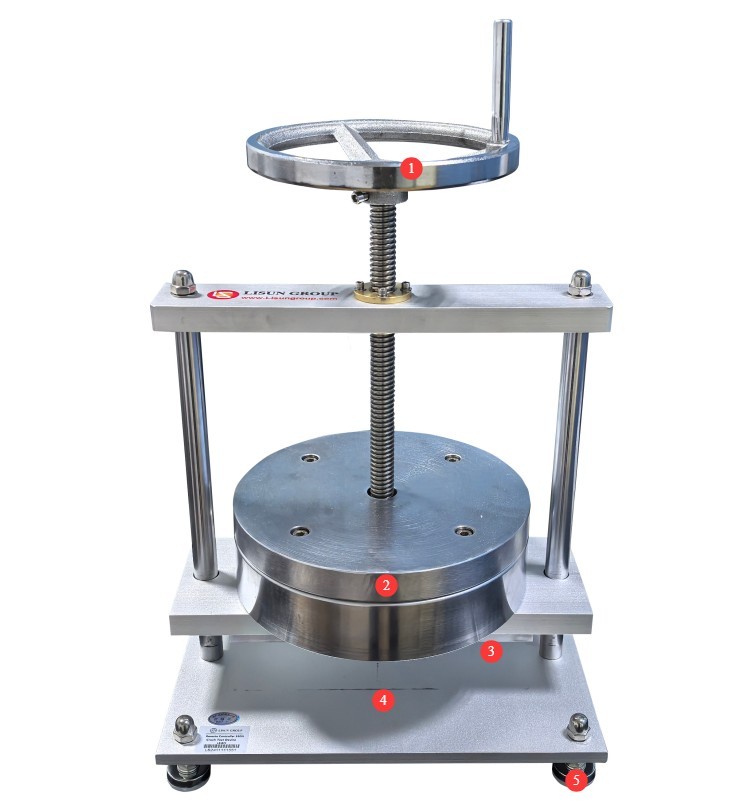
그림 3-1
4. Steps for Conducting the Compression Test
| 번호 | 주의 사항 |
| ① | Use the handwheel to lift the weight |
| ② | Place the remote control on the rigid support surface of the test apparatus in the position that would result in the most adverse outcome, directly beneath the force application plane. |
| ③ | Use the handwheel to lower the weight and press it down onto the remote control. Apply force to the exposed top and back surfaces of the remote control while it is in a stable position. Please bring your own stopwatch to time the process. |
| ④ | The force is applied for 10 seconds; after the force application period ends, use the handwheel to lift the weight. |
| ⑤ | In accordance with Section 1.3 and relevant standards, inspect the remote control to verify that it has passed the test. |
5. 테스트 후 절차
5.1 장치 재설정
Use the handwheel to lower the position of the weight so that the force application surface comes into contact with the rigid support surface, thereby preventing the device bracket from being subjected to prolonged stress when not in use.
5.2 샘플 준비
시험에 합격한 샘플과 불합격한 샘플을 분리하고, 명확하게 표시하여 혼동을 피하십시오.
5.3 Cleaning and Tidying Up the Test Site
Use a lint-free, soft cloth to wipe dust and debris from the surface of the test apparatus, the rigid support surface, and the force-application surface. Do not rinse the equipment directly with water.
Organize the tools on the workbench, arrange them neatly, and clean up any debris left over from the experiment.
6. 정기 유지보수 및 관리
6.1 정기 점검
Every three months, apply a small amount of neutral grease to the handwheel lead screw to prevent rust and seizing; apply rust-preventative oil to the rigid support surfaces and force-application surfaces to prevent rust from affecting the test.
6.2 교정 주기 요구사항
기기의 정확성과 신뢰성을 보장하기 위해, 공인된 제3자 계측 연구소에 정기적으로 보내 교정을 받는 것이 좋습니다. 권장 교정 주기는 12개월입니다. 사용자는 사용 빈도, 환경 조건 및 품질 시스템 요구 사항을 고려하여 구체적인 교정 주기를 결정할 수 있습니다.
7. 문제 해결 및 일반적인 문제 해결 방법
| 결함 증상 | 가능한 원인들 | 순서 |
| The stand moves up and down jerkily | Dust buildup on the slide rails, insufficient lubrication, or foreign objects lodged in the rails | Try again after removing dust from the slide rails, replenishing the lubricant, and clearing any foreign objects from the gaps. |
| Force Offset Tilt | The device is not level, and the test specimen is not properly positioned. | Make sure the device is level; after remotely repositioning the test specimen properly, try again. |